
Lorem ipsum dolor sit amet, consectetur adipiscing elit. Ut elit tellus, luctus nec ullamcorper mattis, pulvinar dapibus leo.
Lorem ipsum dolor sit amet
We specialise in diagnosing and treating a wide range of blistering skin diseases. These conditions can cause painful, fluid-filled blisters and have a significant impact on your comfort and quality of life. Our team of expert dermatologists is here to provide personalised care and effective treatments, ensuring relief from symptoms and preventing complications.
Blistering skin diseases, also known as bullous diseases, are a group of conditions characterised by the formation of blisters on the skin and mucous membranes. These blisters can be small or large, and they may burst, leading to sores, infections, and scarring. The conditions vary in severity and can be chronic or acute.
Some of the common blistering skin diseases include:
Blistering skin diseases are often caused by an underlying autoimmune disorder, where the body’s immune system mistakenly attacks healthy skin cells. Some conditions, such as pemphigus and bullous pemphigoid, result from the immune system targeting proteins that hold skin layers together, leading to blister formation. Other causes include:
Conditions like epidermolysis bullosa are inherited and affect the skin’s ability to withstand friction and pressure.
Certain medications, infections, or allergens can trigger severe skin reactions such as Stevens-Johnson Syndrome.
Dermatitis herpetiformis is associated with gluten sensitivity and celiac disease.
The severity and triggers of blistering skin diseases vary, but early diagnosis and treatment are crucial for managing symptoms and preventing complications.
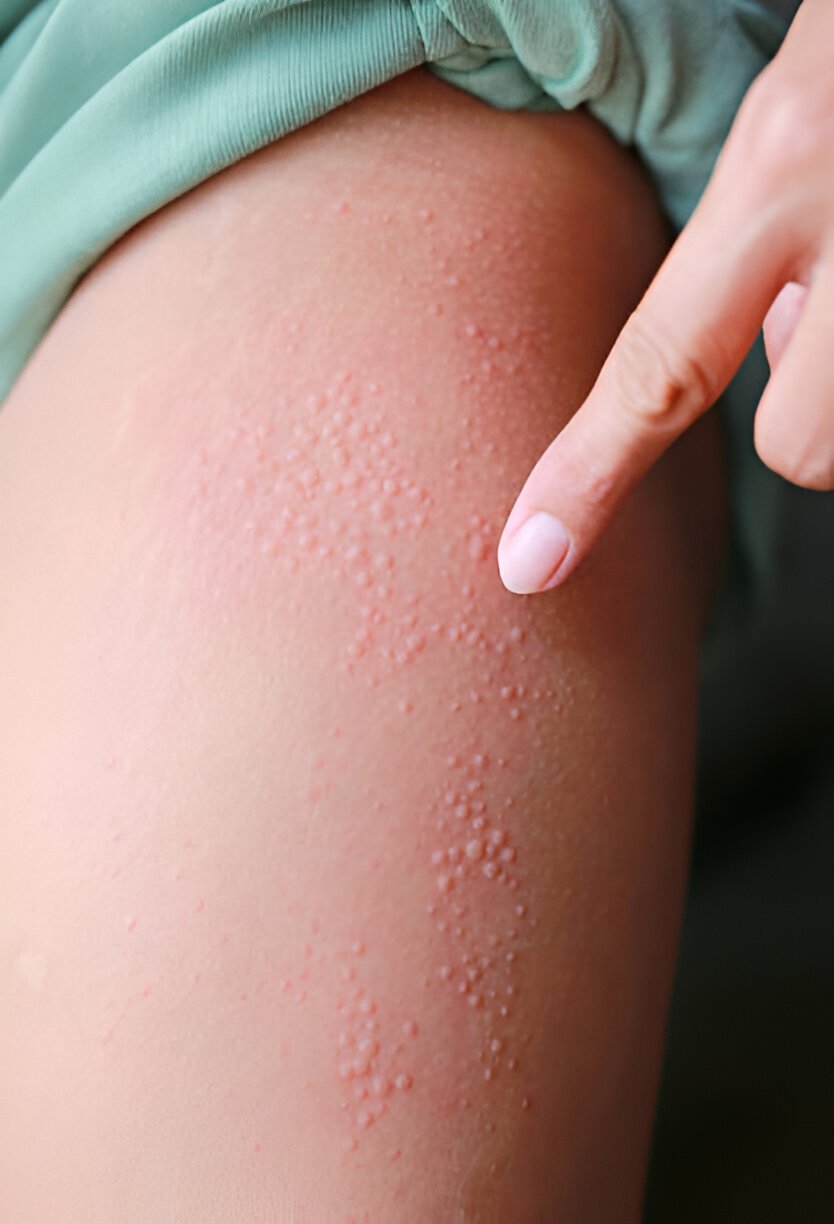
We offer specialised treatments to manage the symptoms and underlying causes of blistering skin diseases. Our dermatologists will work closely with you to develop a personalised treatment plan based on the specific condition and its severity.
Corticosteroids are commonly prescribed to reduce inflammation and suppress the immune response that leads to blister formation. These may be applied topically to affected areas or taken orally for more severe cases.
For autoimmune blistering diseases such as pemphigus and bullous pemphigoid, immunosuppressive drugs are often necessary to control the immune system’s abnormal response and prevent new blisters from forming.
Blisters can become infected, leading to complications. Antibiotics and antifungal medications are prescribed to prevent or treat infections associated with open blisters.
For conditions like epidermolysis bullosa, proper wound care and protective measures are essential. We provide guidance on how to protect fragile skin, prevent infections, and promote healing.
In patients with dermatitis herpetiformis, adopting a strict gluten-free diet can help manage symptoms and reduce the occurrence of blisters.
Newer treatments, such as biologic therapies, target specific components of the immune system responsible for causing blistering skin diseases. These therapies are often used in more severe cases or when other treatments have not been effective.
Our dermatologists have extensive experience in diagnosing and treating a variety of blistering skin diseases, ensuring that you receive expert care tailored to your condition.
We understand that each patient’s condition is unique, and we customise our treatments to suit the specific needs and severity of your condition.
From traditional therapies to cutting-edge biologics, we offer a wide range of treatment options to manage and control blistering skin diseases.
Living with blistering skin diseases can be challenging, and our team is dedicated to providing supportive, compassionate care every step of the way.
Our holistic approach includes not only treating the physical symptoms but also addressing lifestyle adjustments, wound care, and dietary changes when necessary.


No, blistering skin diseases are not contagious. Most of these conditions are caused by autoimmune disorders, genetic factors, or severe reactions to medications.
Diagnosis typically involves a physical examination, a review of your medical history, and a skin biopsy and immunofluoresence in diagnosing tool. In some cases, blood tests may be used to detect specific antibodies linked to autoimmune conditions.
While many blistering skin diseases cannot be cured, they can be effectively managed with the right treatment. Early diagnosis and ongoing care are key to controlling symptoms and preventing complications.
The healing time depends on the severity of the condition and the treatment being used. With appropriate care, many blisters can heal within a few weeks, though some conditions may require long-term management.
In some cases, such as dermatitis herpetiformis, dietary changes (e.g., following a gluten-free diet) can significantly reduce symptoms. Your dermatologist will advise you if dietary modifications are necessary.
We’re committed to helping you manage and treat blistering skin diseases effectively. Our personalized treatment plans are designed to relieve symptoms and improve your quality of life. Schedule your consultation today to learn more about how we can help you achieve healthier skin.
Our mission is to provide exceptional dermatological care that not only addresses your skin concerns but also enhances your overall well-being. Located in the vibrant heart of Salem, Tamil Nadu, our clinic is a beacon of advanced dermatology and compassionate care.
Opening Hours
Mon – Sat: 10 am to 7 pm
Sun: Closed
Lorem ipsum dolor sit amet, consectetur adipiscing elit. Ut elit tellus, luctus nec ullamcorper mattis, pulvinar dapibus leo.